Tickets for State of the Map 2026 in Paris are now available 👉 Get your Ticket Paris Ticket (in person) Venueless Ticket (online) - Buy now Tickets for State of the Map 2026 in Paris are now available 👉 Get your Ticket Paris Ticket (in person) Venueless Ticket (online) - Buy now Tickets for State of the Map 2026 in Paris are now available 👉 Get your Ticket Paris Ticket (in person) Venueless Ticket (online) - Buy now
Disaster Response & Humanitarian Aid

Mapping hope when it matters most.

Discover how OpenStreetMap powers global disaster relief and humanitarian efforts—saving lives through maps made by people like you.

The Map that Saves Lives

What This Means

When disaster strikes—be it a flood, earthquake, or conflict zone—response teams need accurate, up-to-date maps to reach those in need. OpenStreetMap, with its open data and global community, fills critical mapping gaps in real time. Powered by volunteers and supported by humanitarian organizations, OSM enables aid agencies to navigate chaos with clarity.

How OSM has been contributing to saving lives

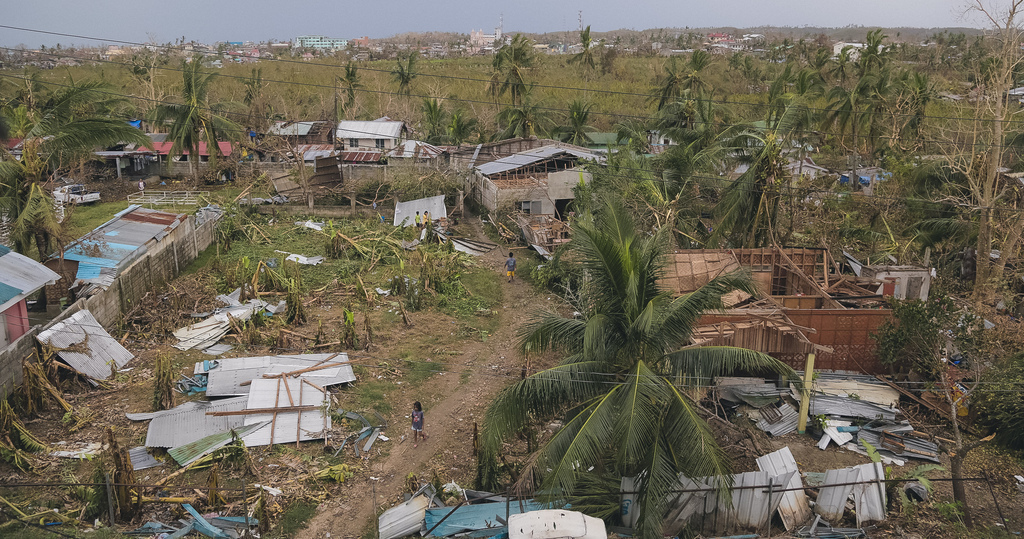
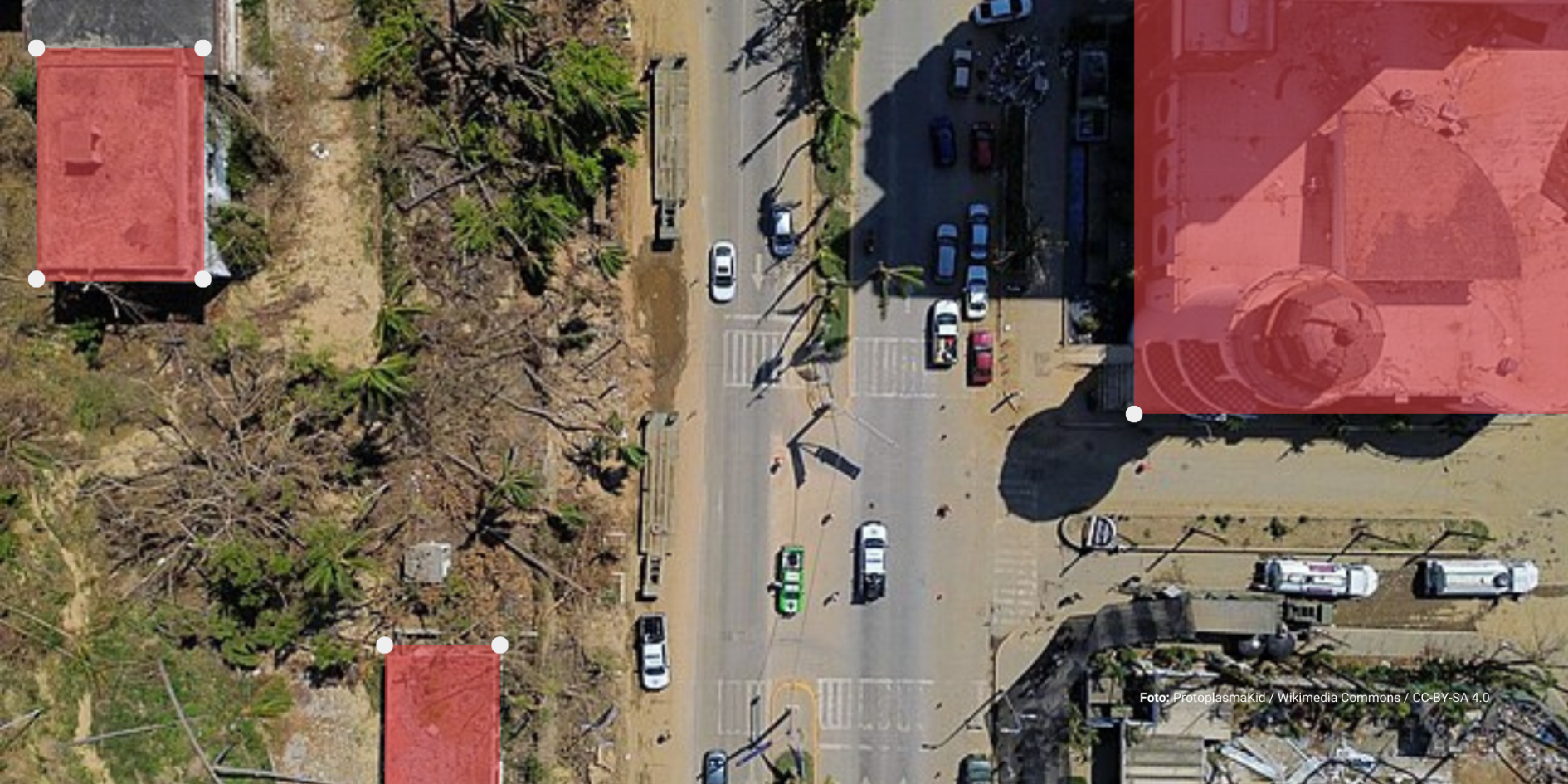
Assessing OpenStreetMap Completeness for Management of Natural Disaster by Means of Remote Sensing: A Case Study of Three Small Island States (Haiti, Dominica and St. Lucia)

Researchers use remote sensing to evaluate OpenStreetMap building-footprint completeness for natural disaster management across three Caribbean small island states. The study quantifies OSM data gaps in Haiti, Dominica, and St. Lucia and demonstrates how coverage and quality directly affect evidence-based disaster risk assessment, humanitarian preparedness, and response planning in vulnerable island contexts.
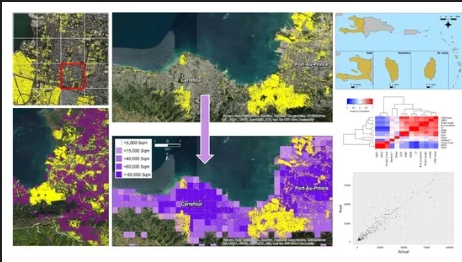
Assessing OpenStreetMap Completeness for Management of Natural Disaster by Means of Remote Sensing: A Case Study of Three Small Island States (Haiti, Dominica and St. Lucia)
Rann Goldblatt, Nicholas Jones, Jenny Mannix Source link

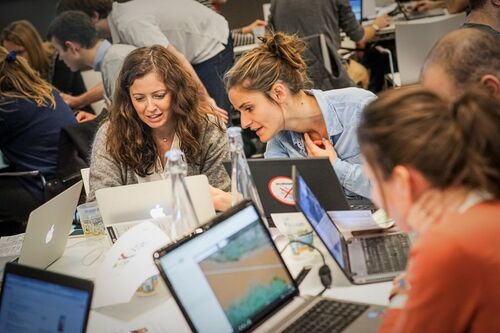
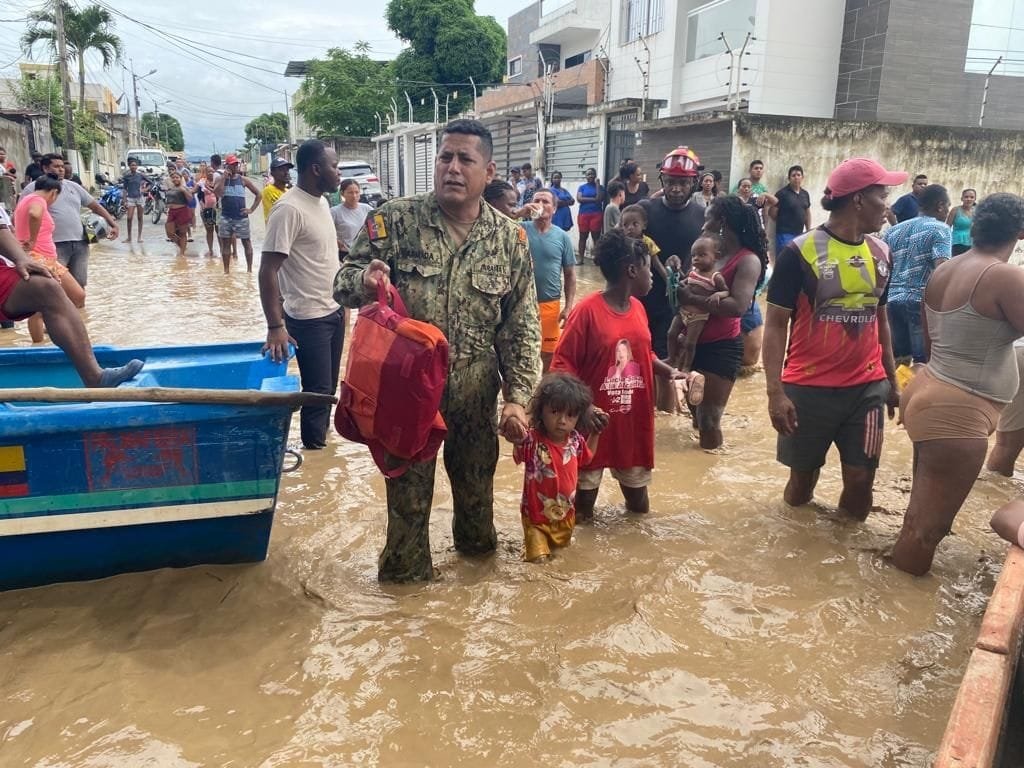
Mapping for Emergencies: WFP's custom mapping innovation informs humanitarian operations worldwide

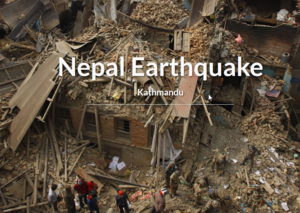
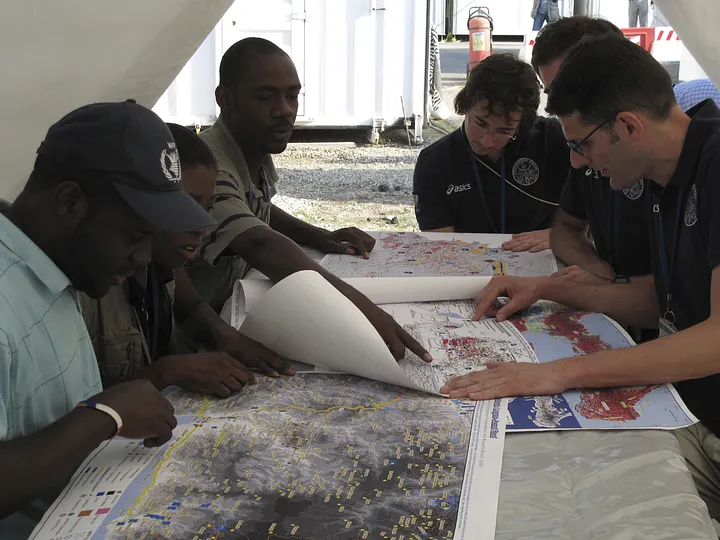
The World Food Programme uses OSM road network and settlement data through its Humanitarian Topographic Atlas to plan food aid delivery routes in crisis and post-disaster settings. OSM supports topographic mapping, logistics infrastructure visualization, and road network verification, while field teams in Syria and Nepal update OSM layers to guide truck drivers, identify access constraints, and coordinate humanitarian operations in remote and vulnerable areas.

Mapping for Emergencies: WFP's custom mapping innovation informs humanitarian operations worldwide
WFP Innovation Accelerator Source link

iMMAP embeds information management specialists in humanitarian operations, using OSM as a core data source

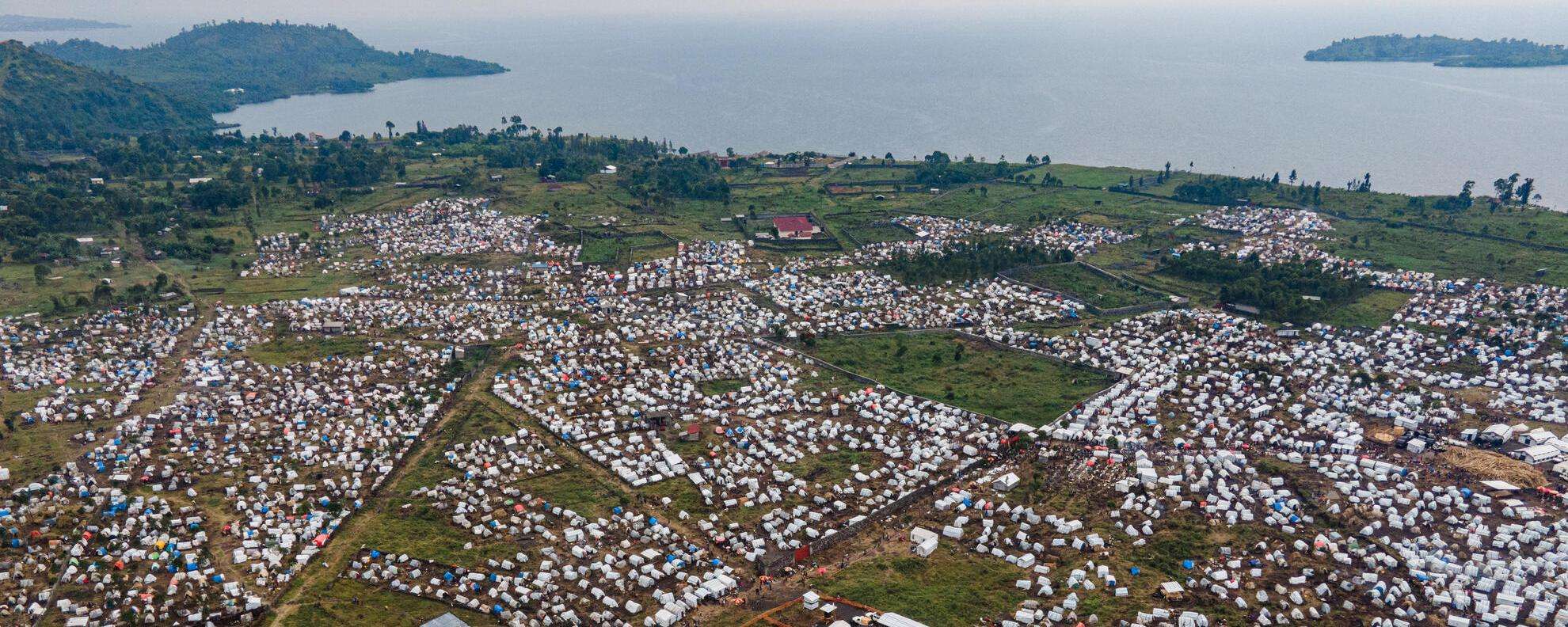
iMMAP is an international non-profit providing information management support for humanitarian and development work. It embeds specialists in UN agencies, governments, and NGOs to produce maps and analyses. Using OpenStreetMap as a basemap, iMMAP builds dashboards tracking displacement, access constraints, and service availability in real time across global crisis contexts.

iMMAP embeds information management specialists in humanitarian operations, using OSM as a core data source
Not specified Source link

How you can contribute

You don't need a cape or a degree to save lives—just a mouse and a little heart .❤️

  • Join the HOT Tasking Manager

    Help map areas in crisis and support real-time response.

    Get Started
  • Learn mapping with LearnOSM

    Step-by-step guides for beginner to expert.

    Get Started
  • Donate to Humanitarian OSM Team (HOT)

    Support mapping for disaster response worldwide.

    Learn More