Tickets for State of the Map 2026 in Paris are now available 👉 Get your Ticket Paris Ticket (in person) Venueless Ticket (online) - Buy now Tickets for State of the Map 2026 in Paris are now available 👉 Get your Ticket Paris Ticket (in person) Venueless Ticket (online) - Buy now Tickets for State of the Map 2026 in Paris are now available 👉 Get your Ticket Paris Ticket (in person) Venueless Ticket (online) - Buy now
Education & Research

Mapping knowledge for a brighter future.

Explore how OpenStreetMap supports learning, academic research, and innovation—empowering students, educators, and researchers with open geospatial data.

The Map for Learning and Discovery

What This Means

In classrooms, laboratories, and research institutions worldwide, accurate geospatial data is essential for analysis, experimentation, and problem-solving. OpenStreetMap provides freely accessible, community-driven map data that supports academic projects, spatial analysis, environmental studies, urban planning research, and innovative geospatial applications. It enables learners and researchers to contribute, collaborate, and build real-world solutions using open data.

How OSM supports Education and Research

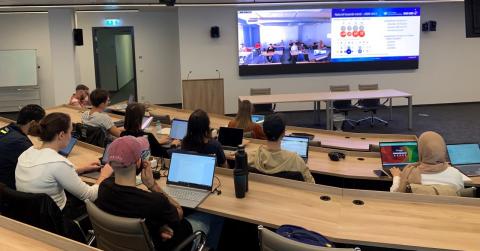
Disastermappers Heidelberg - Training University Students in Humanitarian OSM Mapping

The Disastermappers Heidelberg, hosted at Heidelberg University's GIScience Research Group, trains geography students in OSM-based humanitarian mapping for disaster preparedness and relief. The group organizes regular mapathons, contributes to Missing Maps, and conducts science-driven research on identifying poorly mapped vulnerable regions, embedding open mapping directly into university geoscience education.
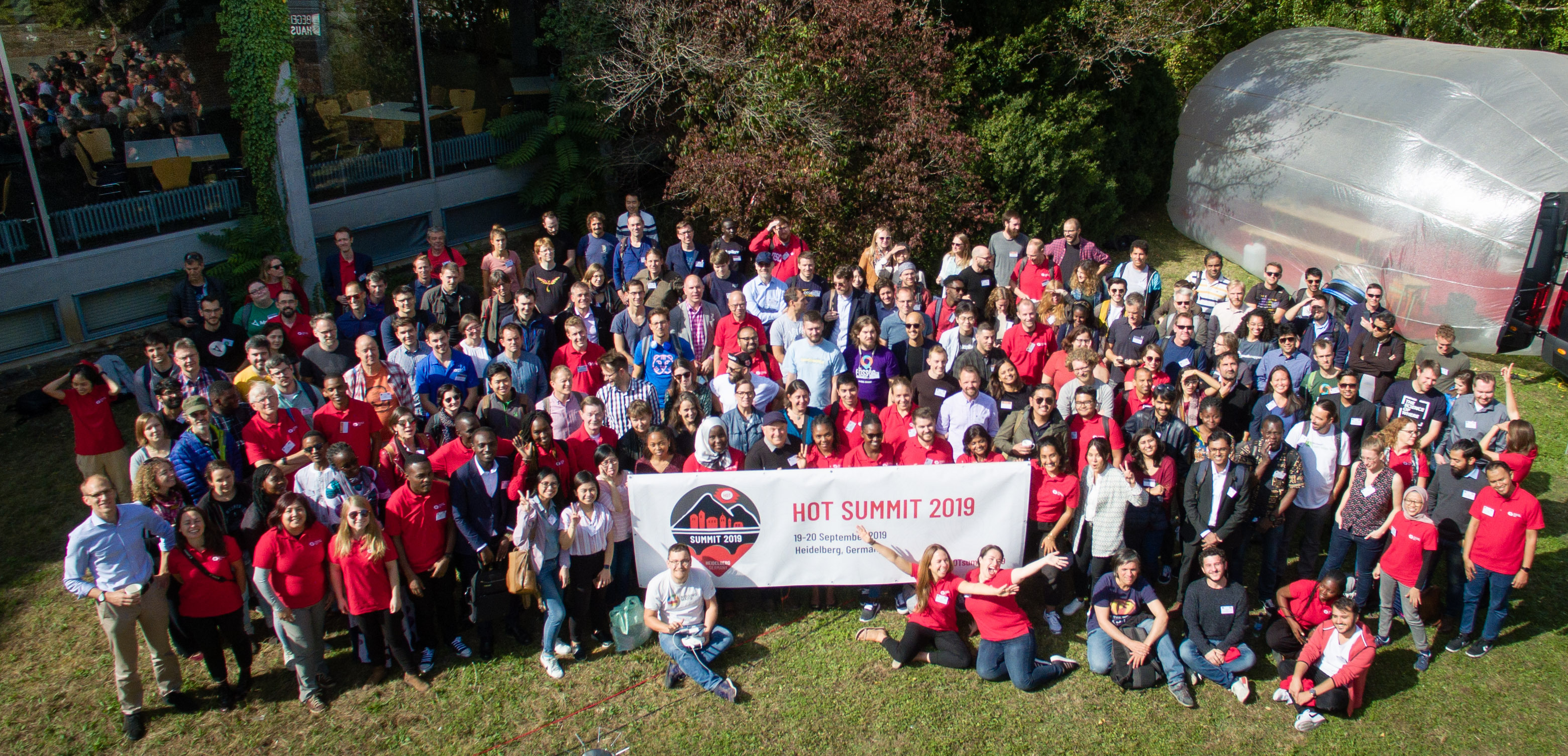
Disastermappers Heidelberg - Training University Students in Humanitarian OSM Mapping
Disastermappers Heidelberg Source link

The sweet spot for research and Missing Maps collaborations

Missing Maps published a 2022 guide on how universities and research institutions can go beyond hosting mapathons to build deeper collaborations with humanitarian organizations using OSM. It highlights how academic research into OSM contributor behavior, data quality, and community engagement has directly improved humanitarian mapping workflows and outcomes for organizations like HOT and MSF.

The sweet spot for research and Missing Maps collaborations
Benni Herfort, Sam Colchester Source link

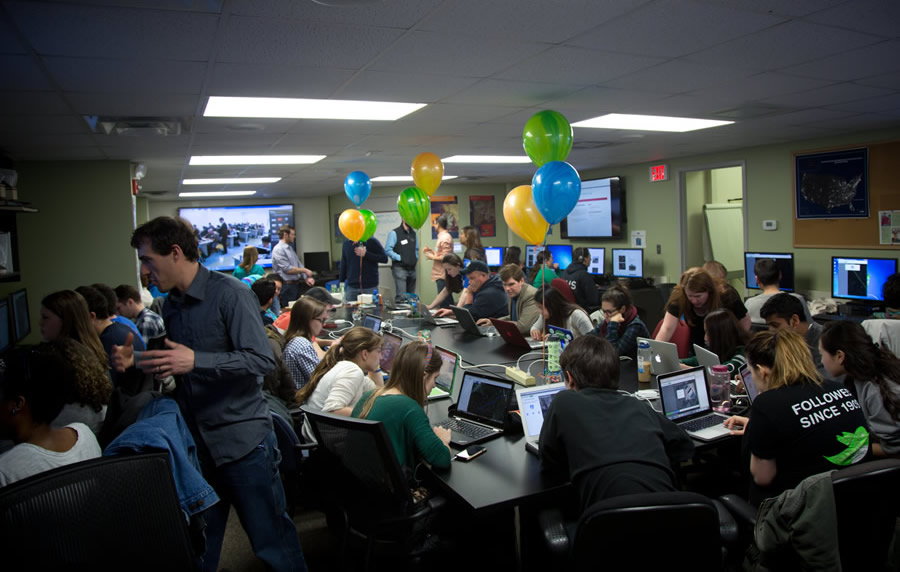
Crowdsourcing missing maps at Geohub's Mapathon

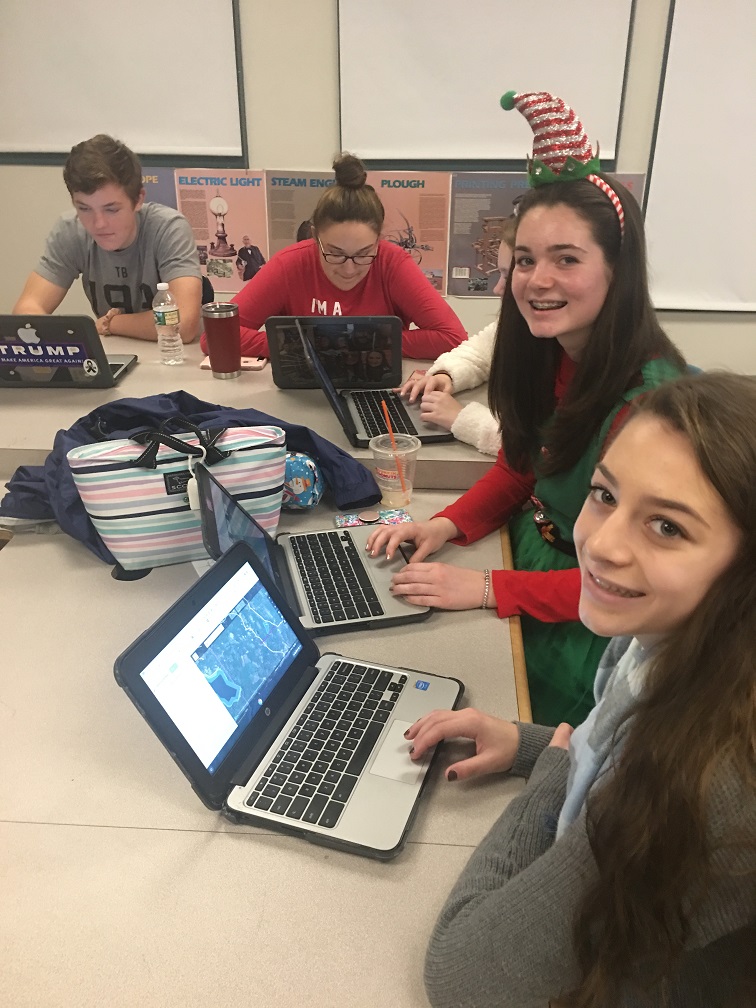
Central European University's GeoHub hosted a 2022 hybrid Missing Maps mapathon for International Day for Disaster Risk Reduction, gathering nearly 60 students and academics from CEU Vienna and AUCA Bishkek alongside online OSUN members. Participants received OSM training from a University of Maryland instructor and mapped vulnerable communities in the Dominican Republic, integrating disaster risk education with hands-on OSM contribution.

Crowdsourcing missing maps at Geohub's Mapathon
Central European University Source link

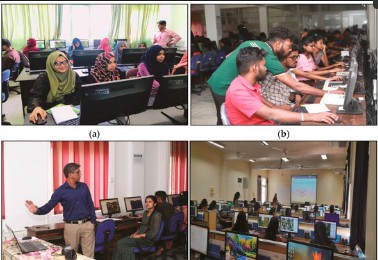
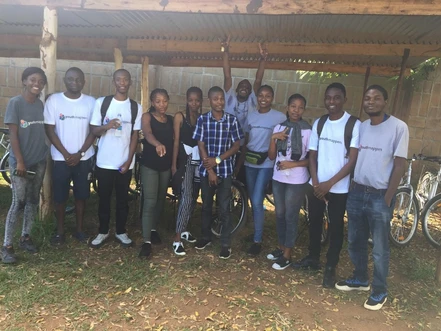
YouthMappers Sri Lanka - Climate Activism and OSM Education

YouthMappers chapters in Sri Lanka used OpenStreetMap workshops, curriculum integration, a mapping helpdesk, and a research unit to advance climate education. The project strengthened student capacity for open mapping, climate activism, disaster awareness, and locally relevant geospatial research at Eastern University and partner communities nationwide through collaboration and public service.

YouthMappers Sri Lanka - Climate Activism and OSM Education
Ibra Lebbe Mohamed Zahir, Suthakaran Sundaralingam, Meerasa Lewai Fowzul Ameer, Sriram Sindhuja, Atham Lebbe Iyoob Source link

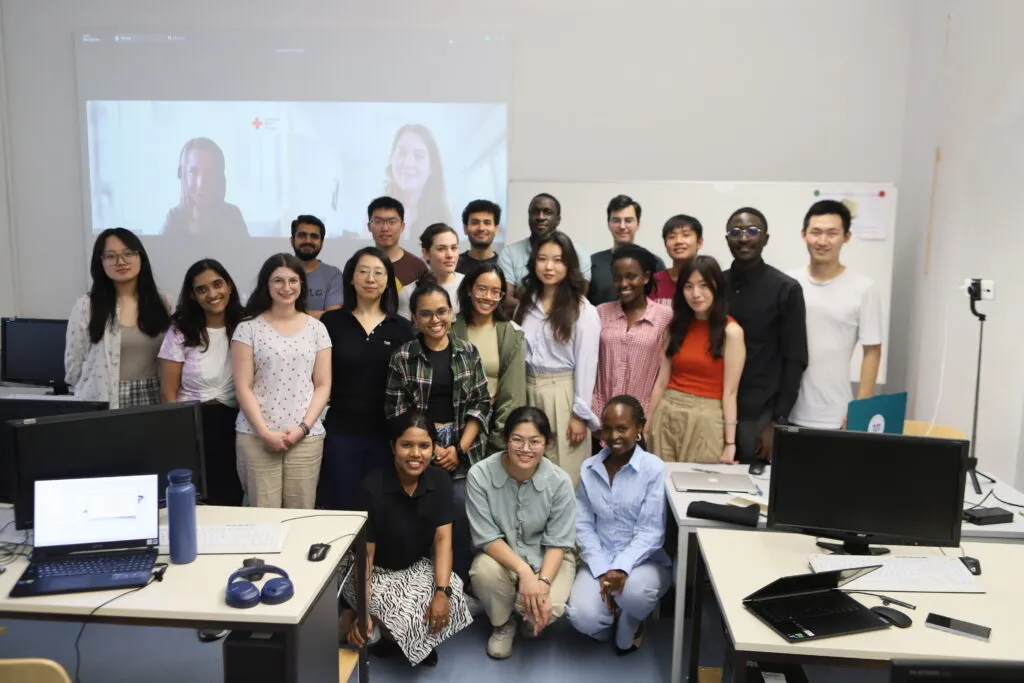
Mapathon @ TU Munich: Mapping At-Risk Regions with Awesome Mappers

Founded in 2022, the YouthMappers chapter at Technical University of Munich organized a 2024 mapathon in response to the Turkey-Syria earthquake, partnering with the German Red Cross and Geoawesome. In a single session, 25 contributors produced 1,312 map edits and 1,198 building footprints for at-risk regions in Paraguay, demonstrating how university chapters build student OSM capacity for real-world disaster response.

Mapathon @ TU Munich: Mapping At-Risk Regions with Awesome Mappers
Geoawesome Source link

How you can contribute

You don't need a cape or a degree to save lives—just a mouse and a little heart .❤️

  • Join the HOT Tasking Manager

    Help map areas in crisis and support real-time response.

    Get Started
  • Learn mapping with LearnOSM

    Step-by-step guides for beginner to expert.

    Get Started
  • Donate to Humanitarian OSM Team (HOT)

    Support mapping for disaster response worldwide.

    Learn More